The Impact of Tree Coverage on Sidewalk Staining and Long-Term Surface Damage
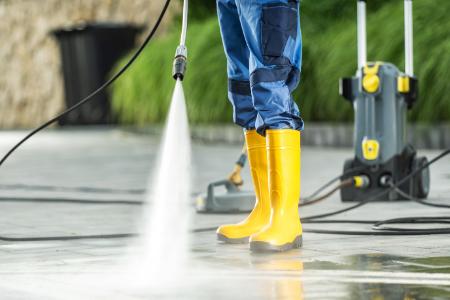
The Impact of Tree Coverage on Sidewalk Staining and Long-Term Surface Damage in Brookings, SD
Sidewalk cleaning in Brookings, SD, is more than curb appeal. It is protection for concrete that lives under shade, leaf fall, and steady moisture from nearby trees. When your walk sits below branches along streets near Pioneer Park or close to the South Dakota State University campus, it weathers a different set of pressures than open, sunny concrete. At Bison Blast Pressure Washing, our Brookings pressure washing team focuses on these tree-driven factors so your sidewalks look clean and last longer.
Why Shade From Trees Changes Your Sidewalk
Trees create a cool, calm microclimate. That same shade slows evaporation and keeps concrete damp after rain, irrigation, or melting snow. Without steady sunlight, organic matter does not dry out or break down quickly. Spores take hold, color deepens, and stains set.
Brookings winters add another layer. In shaded zones, snow and slush linger, and freeze-thaw cycles push water into tiny pores. As water expands when it freezes, those pores and hairline cracks slowly widen. Over time, edges ravel, surface paste loosens, and the slab loses its tight, even finish.
Shaded, stay-wet concrete invites algae and mildew. That green-black film you see on the shadow side of the house or beneath evergreens is proof of constant moisture. Regular sidewalk cleaning interrupts that cycle before growth becomes a safety issue.
What Falling Debris Leaves Behind
Leaves, needles, seed pods, and fruit all carry pigments, sugars, and oils. When they sit on damp concrete, those compounds leach into the surface. In our area, maples, oaks, elms, ash, cottonwoods, and evergreens can each mark concrete in their own way. Spring pollen and sticky honeydew from insects also add to the mess, especially where branches overhang the walk.
- Tannins from leaves make tea-colored stains that look like brown shadows on the slab.
- Fruit and seed drops leave dark rings and spots that stick through winter and reappear after the snow melts.
- Evergreen needles and sap create gray-green smears that trap dirt and hold moisture.
- Windblown soil builds a thin film that feeds algae when the walk stays humid.
As debris breaks down, mild organic acids form on the surface. Left alone, these acids can dull concrete and help other pollutants bond. Leaf and seed stains can bond to the surface, so a quick rinse will not remove them. That is when professional pressure washing with the right detergent blend becomes important.
Moisture, Microorganisms, and Slip Risk
Where trees shade the sidewalk, water lingers after a storm or after the sprinkler runs. Algae, mildew, and even thin moss can grow in this film. The surface turns darker first, then slightly slick. In the fall, when leaves mat down, traction drops even more. Families pushing strollers or students biking to class feel it right away at corners and driveway aprons.
This is not just cosmetic. A slick film increases the risk of slip for guests, delivery drivers, and kids running to catch the bus. In winter, that same shaded strip can hide a layer of compacted frost under footprints. Routine sidewalk cleaning removes the build-up that fuels regrowth and helps the surface dry faster after every storm.
How Staining Becomes Surface Damage
It starts with color. Then the chemistry and the freeze-thaw pattern do the rest. Organic acids from rotting leaves slightly lower the surface pH. Dirt and fine grit collect in the roughness that follows. When de-icing products or road spray touch that area, salts have more pathways into the pores.
When pores carry salty water, winter expansion bites deeper. Edges at control joints fray, especially where tree roots have lifted one panel, creating a lip. In summer, that uneven edge catches more debris. The cycle repeats, and the surface loses strength, appearing blotchy.
Rust can join the picture too. In shaded strips, irrigation overspray may not evaporate for hours. If the water carries iron, it can leave orange streaks at the base of posts or along cracks. Over time, these marks can sink into the surface paste and resist household cleaners.
Freeze-thaw cycles magnify tiny cracks. The easiest way to slow the damage is to keep the surface clean, so water and contaminants have fewer places to hide.
Professional Sidewalk Cleaning That Respects Your Concrete
Concrete is strong, but it is not all the same. Age, finish type, and past treatments matter. Bison Blast Pressure Washing uses a pressure washing process designed for sidewalks under tree cover. We start with a pre-treatment that loosens organics and lifts tannin stains. Then we use controlled pressure with a surface cleaner to even out the finish and avoid wand marks. Hot water helps with oils and sticky residues from sap or honeydew. A targeted post-treatment keeps algae from returning quickly in the shade.
We pay attention to transitions where panels have shifted from root growth. Gentle technique on those lips reduces chipping. We also protect adjacent plant beds and rinse soil lines so mulch and fine debris do not track back onto the walk with the next rain.
For homes near campus, foot traffic, or tree-lined streets downtown, chewing gum and scuff marks often mix with leaf stains. Our process eliminates harsh, lingering odors. The result is a brighter, safer sidewalk that sheds water better after storms.
Why Sidewalk Cleaning in Brookings, SD Matters Under Trees
Tree shade is good for people and houses. It is tough on concrete. A clean, sound surface dries faster, resists salt and grime, and holds up through long winters. When you keep the shaded sections clear of organics, the whole walk lasts longer and looks consistent from panel to panel. Regular sidewalk cleaning protects your investment.
Seasonal Game Plan for Brookings Homeowners
Our weather swings from humid summers to cold, snowy winters. That range makes timing important. You do not need more service than your property requires, but you do benefit from a smart rhythm that matches the trees along your walk.
- Late spring: Clean after the messy thaw to remove sand, salt residue, and early algae film.
- Mid to late summer: Address heavy shade zones where sprinklers or afternoon storms keep the slab damp.
- Late fall: Clear leaf and seed stains before snow sets in, trapping debris until March or April.
Homes with dense canopies or evergreens close to the slab may benefit from an extra cleaning during peak drop. That quick visit focuses on the worst panels, not the whole run. The goal is to keep stains from crossing the line into surface wear.
Signs Your Sidewalk Needs Cleaning Now
You do not need to wait for deep, dark stains to act. Here are early signals many Brookings homeowners overlook:
If you notice a dark strip that stays wet hours after sunlit panels have dried, that is a moisture pocket under shade. If your shoe squeaks or slides a little when you turn on the ball of your foot, a biofilm is already present. If leaf outlines reappear every spring on the same panels, tannins have set and need a professional treatment. One or two of these signs mean the surface is ready for a cleaning before winter compounds the damage.
What Makes Tree-Covered Sidewalks Tricky
The same branch can create three distinct problems within a single panel. Out near the drip line, seeds and fruit drop. In the center, shade holds dew until noon on cool days. Close to the trunk, fine needles or leaves fill the broom finish, turning it into a sponge. A one-size-fits-all wash will not solve that pattern.
Our crews adjust flow, temperature, and dwell time across each section. We aim to lift stains without opening the surface too much. When a panel is already fragile from lifting or past flaking, we change tools and tighten our approach to protect the paste.
Surface Protection After Cleaning
Once the sidewalk is clean and dry, it is a good time to talk about protection. A breathable, professional-grade sealer can help reduce water uptake and make future stains easier to remove. That is especially useful under heavy canopy or on north-facing walks. We can explain options and match a product to your concrete's age and finish so you get durability without a slick feel.
Care between service visits is simple. Keep heavy piles of leaves and needles off the panels and report irrigation heads that soak the same shaded strip every morning. Those two small habits, paired with scheduled cleanings, make a noticeable difference throughout the year.
Why Choose Bison Blast Pressure Washing for Sidewalk Cleaning
We live with the same weather you do. Our team schedules work around Brookings winds, storm patterns, and pollen waves to keep sidewalks clean. We use plant-safe detergents, controlled pressure, and professional rinse management to protect lawns and landscape beds near the walk. You get a bright, safer path that holds up when winter hits and shade keeps it damp.
Homeowners call us because we communicate clearly, respect landscaping, and stand behind our results. If tree coverage is causing stains or slick patches on your sidewalk, we have a process designed for it. From Dakota Nature Park neighborhoods to quiet streets on the edge of town, we bring that same care to every home.
Ready for Cleaner, Safer Sidewalks?
If your concrete stays dark under the trees or looks blotchy after snowmelt, it is time to act. A focused cleaning now can prevent another season of stains and slow the wear you cannot see yet.
Call Bison Blast Pressure Washing at 605-695-1642 and schedule a visit that fits your block and your trees. We will make your sidewalk look fresh and help it stand up to Brookings weather, season after season. Contact us now for sidewalk cleaning in Brookings.
How Can We Help?